10 things Peterborough
home buyers notice first
This Blog brought to you by:
The J&P team of Realtors

When buyers walk into a home, decisions start forming almost instantly.
In fact, most buyers in the Peterborough real estate market will subconsciously decide how they feel about a property within the first few minutes of entering.
That means first impressions aren’t just important—they’re everything.
If you're planning to sell your home in Peterborough, understanding what buyers notice immediately can help you maximize value and reduce time on market.
1. Curb Appeal
urb appeal doesn't mean you need to spend thousands of dollars on landscaping. In many cases, a tidy, well-maintained exterior makes a stronger impression than an elaborate garden. Cut the grass, trim overgrown shrubs, pull weeds and remove anything that has accumulated around the entrance.
Take a good look at the driveway and walkways. Cracks and stains are normal for many homes, particularly older properties, but excessive weeds, debris or obvious damage can make the property feel less cared for.
The front door deserves particular attention because buyers naturally focus on it as they approach the house. Make sure it is clean, the hardware works properly and the surrounding area is tidy. A fresh coat of paint or a new door mat can be a relatively inexpensive way to make the entrance more welcoming.
Don't forget the less obvious maintenance items. Clean the exterior lights, remove cobwebs, clean the windows and make sure eavestroughs aren't full of leaves. During the appropriate season, keep outdoor furniture and recreational equipment organized rather than scattered around the yard.
For Peterborough homeowners, seasonal presentation can be particularly important. A home being viewed in spring or summer will naturally have a different appearance from one being shown in November or February, but the same principle applies year-round: the exterior should tell buyers that the property has been looked after.
The objective isn't to create a magazine cover. It's simply to make the first impression a positive one.
2. Smell of the Home

You can have a beautifully renovated kitchen, spotless bathrooms and professionally staged rooms, but a strong or unpleasant odour can still be one of the first things a buyer remembers.
Our sense of smell is closely connected to memory and emotion, which is why buyers can react strongly to smells they encounter during a showing. Sometimes they won't even be able to identify exactly what bothers them they simply know that something doesn't smell right.
Pets are a common source of odours, particularly carpets, rugs, upholstery and areas where animals regularly sleep. Cooking smells can also linger, especially after preparing foods with strong aromas. Cigarette smoke can be particularly difficult because it can permeate walls, ceilings, flooring and other materials.
Moisture is another concern. A musty or damp smell in a basement, crawlspace or storage area can immediately make buyers wonder whether there is an underlying water or moisture problem.
The answer isn't to cover unpleasant smells with air fresheners. In fact, heavy fragrances can sometimes make buyers wonder what the seller is trying to hide. Finding and dealing with the source is a much better approach.
Give carpets and upholstery a thorough cleaning if necessary. Wash pet bedding, clean garbage and recycling containers, check areas around appliances and make sure bathrooms and basement areas are properly ventilated.
Before listing, it can also be useful to ask someone who doesn't live in the home to walk through it and give you an honest opinion. Homeowners become accustomed to the normal smells of their own house and may no longer notice them.
A home that simply smells clean and fresh allows buyers to concentrate on the property rather than wondering what they're smelling.
3. Natural Light
Light has a remarkable effect on the way buyers perceive a home. Bright rooms tend to feel larger, cleaner and more inviting, while dark rooms can sometimes feel smaller even when the actual dimensions are identical.
The good news is that improving natural light doesn't necessarily involve replacing windows.
Start by making sure the windows are clean. It sounds simple, but dirty glass and dusty window coverings can noticeably reduce the amount of light entering a room.
Take a look at curtains and blinds as well. Heavy curtains that remain closed throughout the day can make a room feel darker than it needs to be. During showings, open curtains and blinds wherever privacy and circumstances allow. Pull curtains fully away from windows rather than leaving them partially covering the glass.
Furniture placement can also make a difference. A large piece of furniture positioned directly in front of a window can block light and make the room feel more enclosed.
Don't overlook artificial lighting. Buyers may view the home on a cloudy day, in the evening or during a time when some rooms receive little natural sunlight. Make sure light fixtures are working and use appropriate bulbs to provide comfortable illumination.
Dark hallways, basements and interior rooms deserve particular attention. Adding or improving lighting in these areas can change how buyers experience the entire home.
You can't change the orientation or size of your windows before selling, and you don't need to. The goal is simply to maximize the light the home already has.
When buyers walk into a bright, comfortable room, they're more likely to notice its possibilities rather than its limitations.
4. Cleanliness and Clutter
A home can be relatively clean but still feel crowded because there is simply too much stuff. Furniture, decorations, collections and everyday belongings can gradually accumulate over the years, and what feels perfectly normal to the homeowner can make rooms appear smaller to someone seeing them for the first time.
Decluttering doesn't mean stripping the personality out of your home. It means removing the things that distract from the space itself.
Start with the areas buyers are most likely to inspect closely. Kitchen counters, bathroom vanities, closets, entryways and storage areas can all benefit from editing. Put away appliances and countertop items that aren't necessary. Reduce the number of decorative objects and organize visible storage.
Closets are particularly important. Buyers will open closet doors because they're trying to understand whether the home has enough storage for their needs. A closet packed from floor to ceiling can make even a large closet look inadequate.
Cleaning should go beyond simply vacuuming and dusting. Pay attention to windows, baseboards, light fixtures, appliances, bathrooms, kitchen surfaces and areas that don't receive regular attention during everyday housekeeping.
The basement and garage shouldn't be forgotten either. These spaces are often where homeowners store everything they don't know what else to do with. Buyers may see that as a sign that there isn't enough storage.
One of the most effective ways to prepare a home is to temporarily remove items and store them elsewhere. You're not getting rid of everything—you're giving buyers the opportunity to see the space.
Think of it this way: you're not selling your belongings. You're selling the space those belongings occupy.
5. Flooring Condition
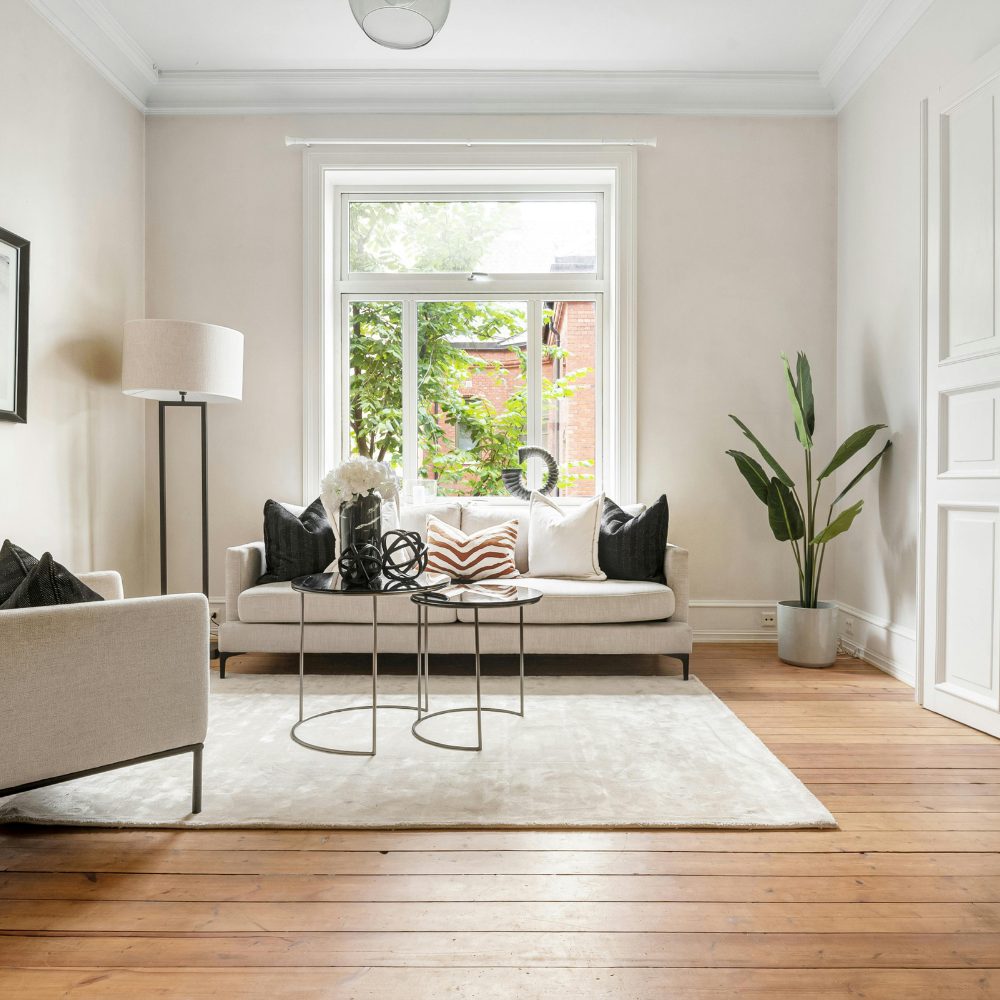
Flooring takes a tremendous amount of abuse over the years, so it's one of the areas where normal wear can become particularly noticeable to buyers.
Scratched hardwood, worn carpet, damaged laminate, stained grout or flooring that has simply reached the end of its useful life can make an otherwise well-maintained home feel older or less cared for.
That doesn't automatically mean you should replace every floor before selling. The right decision depends on the condition of the existing flooring, the type of home, the surrounding finishes and what buyers are likely to expect at the property's price point.
Sometimes a thorough professional cleaning is enough to make a significant difference. Carpets can often look considerably better after a proper cleaning, while hardwood floors may benefit from cleaning and, depending on their condition, refinishing.
Pay attention to transitions between rooms as well. A collection of different flooring materials can sometimes make a home feel visually disconnected. You don't necessarily need to make everything match, but obvious damage or poorly maintained transitions should be addressed.
If replacement is warranted, avoid choosing flooring purely according to your personal taste. Highly distinctive patterns or colours may appeal to one buyer but turn off another. A neutral, durable option generally provides broader appeal.
Also look for problems that could indicate something more serious. Soft spots, buckling, staining or flooring that has changed shape may indicate moisture or structural issues beneath it. Those should be investigated rather than simply covered up.
Buyers understand that flooring gets worn. What matters is whether it looks reasonably well maintained and whether there are obvious problems that make them wonder what else may have been overlooked.
6. Kitchen Appeal
The kitchen is often the emotional centre of a home, and buyers tend to spend a considerable amount of time looking at it.
That doesn't mean every kitchen needs a complete renovation before the house goes on the market. In fact, a major kitchen renovation immediately before selling may not provide the return a homeowner expects.
Instead, look at what can be improved relatively easily.
Start with cleanliness. Clean cabinet doors, countertops, backsplashes, appliances and the areas around the stove and sink. Clear excessive items from countertops so buyers can see how much usable workspace the kitchen actually provides.
Cabinet hardware can sometimes make a dated kitchen feel more current without replacing the cabinets themselves. Similarly, repairing a loose cabinet door, replacing a damaged drawer or fixing a dripping faucet can eliminate small distractions.
Lighting matters here as well. Make sure all fixtures are working and that work surfaces are adequately illuminated. A dark kitchen can feel considerably less inviting than the same kitchen with good lighting.
Storage is another major consideration. Buyers will look inside cupboards and drawers, so an overstuffed kitchen can make storage seem inadequate. Removing items you don't use regularly can make cabinets and pantry areas appear more spacious.
Pay attention to the overall condition rather than simply the age. An older kitchen that is exceptionally clean and well maintained can sometimes make a better impression than a newer kitchen that looks neglected.
Finally, don't underestimate the emotional side of the kitchen. Buyers may imagine themselves preparing meals, entertaining friends or sitting around the table with family. Your job isn't to tell them how they should use the room—it's to make it easy for them to imagine themselves using it.
A clean, functional and inviting kitchen can contribute significantly to a buyer's overall impression of the home.
7. Bathroom Condition
Bathrooms are one of the first areas buyers tend to scrutinize because they can be expensive and disruptive to renovate. A bathroom doesn't necessarily need to be completely renovated before selling, but it should feel clean, well maintained and cared for.
Start with the basics. Thoroughly clean the tub, shower, toilet, vanity, mirrors and flooring. Pay particular attention to grout, caulking and areas around the toilet and tub where dirt, mildew or water staining can become noticeable. Replacing old or discoloured caulking is a relatively inexpensive improvement that can make the entire bathroom look fresher.
Look at the fixtures as well. A dripping faucet, loose toilet, dated light fixture or damaged vanity can give buyers the impression that the bathroom has been neglected. Small repairs can often provide more value than a major renovation undertaken immediately before selling.
If the bathroom is dated but functional, don't automatically assume that a full renovation is necessary. Fresh paint, updated lighting, a new mirror, modern hardware and professionally cleaned surfaces can sometimes make a surprisingly large difference.
Most importantly, buyers are looking for clues about moisture and water damage. Staining around ceilings, walls, tubs or toilets can raise questions about potential problems beyond the bathroom itself. If there is a known issue, it's better to address it properly rather than simply trying to make it less noticeable.
The goal isn't necessarily to create a luxury bathroom. It's to present a bathroom that feels clean, functional, maintained and ready for the next owner.
8. Paint and Wall Condition
Paint is one of the simplest ways to change the way a home looks and feels. It can also influence how buyers perceive the overall condition of the property.
Walls don't have to be perfectly white, but strong personal colours can sometimes make it harder for buyers to picture their own furniture and belongings in the space. Neutral, contemporary colours tend to create a clean backdrop and allow buyers to concentrate on the home itself rather than on the colour choices of the previous owner.
Before deciding to repaint the entire house, walk through it with a critical eye. Look for scuffs, fingerprints, nail holes, damaged drywall, worn corners and areas where furniture or wall hangings have left obvious marks. High-traffic areas such as hallways, stairways and entryways often benefit from attention.
You should also consider whether different rooms have competing colours. A collection of bold or dated colours can make a home feel visually fragmented, whereas a more consistent palette can help the rooms flow together.
That doesn't mean every wall needs to be repainted. If the existing paint is in good condition and the colours are reasonably neutral, cleaning and touching up may be all that is required.
And don't forget the trim. Dirty or chipped baseboards, doors and window casings can make otherwise clean walls look tired.
The objective isn't to make the home look brand new. It's to remove distractions and give buyers the impression that the property has been well cared for. A few cans of paint can sometimes accomplish more than a much more expensive improvement.
9. Layout and Flow
Buyers don't experience a home one room at a time. As they walk through it, they're constantly forming an impression of how the spaces connect and whether the house would work for their lifestyle.
This is what makes layout and flow so important.
Furniture has a major influence on how a room feels. A large sectional, oversized dining table or too much furniture can make an adequately sized room appear cramped. Conversely, removing a few pieces can make the same room feel considerably larger and easier to navigate.
Pay attention to the paths people naturally take through the house. Can someone enter the home without immediately walking into furniture? Is there enough space around the dining table? Can you comfortably move between the kitchen, dining area and living room? Are hallways and stairways clear?
This is also a good time to look at rooms that have developed multiple purposes over the years. A spare bedroom that has become a storage room, office and exercise area may make sense to the current owner, but it can be difficult for a buyer to understand what the room is actually intended to be.
You don't necessarily need to remove every personal item. The goal is to make the purpose of each space obvious.
Storage is another important consideration. Buyers will look in closets, cupboards, basements and garages. If every storage area is packed to the ceiling, buyers may conclude that the house doesn't have enough storage even if it actually does.
Creating better flow is often less about spending money and more about editing what is already there. Remove unnecessary furniture, organize belongings and allow each room to breathe.
A home that feels easy to move through can feel larger, more functional and more comfortable without changing a single wall.
10. Maintenance Red Flags

Few things make a buyer more nervous than seeing a collection of small maintenance issues throughout a home.
One dripping faucet probably isn't going to stop someone from buying a house. But if the faucet is dripping, a light doesn't work, a door doesn't close properly, there are cracked tiles, loose railings and damaged trim, buyers may start wondering what else hasn't been maintained.
This is partly psychological. Buyers know that homes require maintenance, but visible problems can create uncertainty about the things they can't see.
Take a walk through your home as though you're seeing it for the first time. Check doors and windows, light switches, faucets, toilets, cabinet doors, railings and appliances. Look for loose handles, squeaks, leaks, damaged screens and anything that doesn't operate the way it should.
Don't overlook the exterior. Peeling paint, damaged siding, clogged eavestroughs, loose steps, cracked walkways or an overgrown yard can create the same impression before a buyer even enters the house.
Some maintenance items are inexpensive and straightforward to fix. Others may require professional attention. The important thing is to identify them before the buyer does.
This doesn't mean hiding every imperfection. Older homes are expected to show some age, and buyers understand that. What you want to avoid is allowing a collection of relatively minor issues to create the impression of a much larger maintenance problem.
A pre-listing inspection can sometimes be useful, particularly when a seller is concerned that there may be issues they aren't aware of. It gives you an opportunity to decide what should be addressed before the home goes on the market rather than discovering problems after an offer has been made.
Buyers don't just look at homes they experience them.
They notice how the house feels when they walk through the front door, how easy it is to move from room to room, whether the bathrooms feel clean and cared for, and whether the property appears to have been properly maintained.
That doesn't mean every home needs a major renovation before it is listed. In fact, spending thousands of dollars on improvements that won't be recovered in the sale may not make financial sense.
Often, the most effective preparation involves relatively simple changes: cleaning thoroughly, removing clutter, touching up paint, completing small repairs, improving lighting and making each room's purpose obvious.
The key is knowing which improvements are likely to matter to buyers in your particular market and which ones simply represent spending money for the sake of spending money.
That's where a little preparation and some objective advice can make a significant difference.