

10 things Peterborough
home buyers notice first
This Blog brought to you by:
The J&P team of Realtors

When buyers walk into a home, decisions start forming almost instantly.
In fact, most buyers in the Peterborough real estate market will subconsciously decide how they feel about a property within the first few minutes of entering.
That means first impressions aren’t just important—they’re everything.
If you're planning to sell your home in Peterborough, understanding what buyers notice immediately can help you maximize value and reduce time on market.
1. Curb Appeal
urb appeal doesn't mean you need to spend thousands of dollars on landscaping. In many cases, a tidy, well-maintained exterior makes a stronger impression than an elaborate garden. Cut the grass, trim overgrown shrubs, pull weeds and remove anything that has accumulated around the entrance.
Take a good look at the driveway and walkways. Cracks and stains are normal for many homes, particularly older properties, but excessive weeds, debris or obvious damage can make the property feel less cared for.
The front door deserves particular attention because buyers naturally focus on it as they approach the house. Make sure it is clean, the hardware works properly and the surrounding area is tidy. A fresh coat of paint or a new door mat can be a relatively inexpensive way to make the entrance more welcoming.
Don't forget the less obvious maintenance items. Clean the exterior lights, remove cobwebs, clean the windows and make sure eavestroughs aren't full of leaves. During the appropriate season, keep outdoor furniture and recreational equipment organized rather than scattered around the yard.
For Peterborough homeowners, seasonal presentation can be particularly important. A home being viewed in spring or summer will naturally have a different appearance from one being shown in November or February, but the same principle applies year-round: the exterior should tell buyers that the property has been looked after.
The objective isn't to create a magazine cover. It's simply to make the first impression a positive one.
2. Smell of the Home

You can have a beautifully renovated kitchen, spotless bathrooms and professionally staged rooms, but a strong or unpleasant odour can still be one of the first things a buyer remembers.
Our sense of smell is closely connected to memory and emotion, which is why buyers can react strongly to smells they encounter during a showing. Sometimes they won't even be able to identify exactly what bothers them they simply know that something doesn't smell right.
Pets are a common source of odours, particularly carpets, rugs, upholstery and areas where animals regularly sleep. Cooking smells can also linger, especially after preparing foods with strong aromas. Cigarette smoke can be particularly difficult because it can permeate walls, ceilings, flooring and other materials.
Moisture is another concern. A musty or damp smell in a basement, crawlspace or storage area can immediately make buyers wonder whether there is an underlying water or moisture problem.
The answer isn't to cover unpleasant smells with air fresheners. In fact, heavy fragrances can sometimes make buyers wonder what the seller is trying to hide. Finding and dealing with the source is a much better approach.
Give carpets and upholstery a thorough cleaning if necessary. Wash pet bedding, clean garbage and recycling containers, check areas around appliances and make sure bathrooms and basement areas are properly ventilated.
Before listing, it can also be useful to ask someone who doesn't live in the home to walk through it and give you an honest opinion. Homeowners become accustomed to the normal smells of their own house and may no longer notice them.
A home that simply smells clean and fresh allows buyers to concentrate on the property rather than wondering what they're smelling.
3. Natural Light
Light has a remarkable effect on the way buyers perceive a home. Bright rooms tend to feel larger, cleaner and more inviting, while dark rooms can sometimes feel smaller even when the actual dimensions are identical.
The good news is that improving natural light doesn't necessarily involve replacing windows.
Start by making sure the windows are clean. It sounds simple, but dirty glass and dusty window coverings can noticeably reduce the amount of light entering a room.
Take a look at curtains and blinds as well. Heavy curtains that remain closed throughout the day can make a room feel darker than it needs to be. During showings, open curtains and blinds wherever privacy and circumstances allow. Pull curtains fully away from windows rather than leaving them partially covering the glass.
Furniture placement can also make a difference. A large piece of furniture positioned directly in front of a window can block light and make the room feel more enclosed.
Don't overlook artificial lighting. Buyers may view the home on a cloudy day, in the evening or during a time when some rooms receive little natural sunlight. Make sure light fixtures are working and use appropriate bulbs to provide comfortable illumination.
Dark hallways, basements and interior rooms deserve particular attention. Adding or improving lighting in these areas can change how buyers experience the entire home.
You can't change the orientation or size of your windows before selling, and you don't need to. The goal is simply to maximize the light the home already has.
When buyers walk into a bright, comfortable room, they're more likely to notice its possibilities rather than its limitations.
4. Cleanliness and Clutter
A home can be relatively clean but still feel crowded because there is simply too much stuff. Furniture, decorations, collections and everyday belongings can gradually accumulate over the years, and what feels perfectly normal to the homeowner can make rooms appear smaller to someone seeing them for the first time.
Decluttering doesn't mean stripping the personality out of your home. It means removing the things that distract from the space itself.
Start with the areas buyers are most likely to inspect closely. Kitchen counters, bathroom vanities, closets, entryways and storage areas can all benefit from editing. Put away appliances and countertop items that aren't necessary. Reduce the number of decorative objects and organize visible storage.
Closets are particularly important. Buyers will open closet doors because they're trying to understand whether the home has enough storage for their needs. A closet packed from floor to ceiling can make even a large closet look inadequate.
Cleaning should go beyond simply vacuuming and dusting. Pay attention to windows, baseboards, light fixtures, appliances, bathrooms, kitchen surfaces and areas that don't receive regular attention during everyday housekeeping.
The basement and garage shouldn't be forgotten either. These spaces are often where homeowners store everything they don't know what else to do with. Buyers may see that as a sign that there isn't enough storage.
One of the most effective ways to prepare a home is to temporarily remove items and store them elsewhere. You're not getting rid of everything—you're giving buyers the opportunity to see the space.
Think of it this way: you're not selling your belongings. You're selling the space those belongings occupy.
5. Flooring Condition
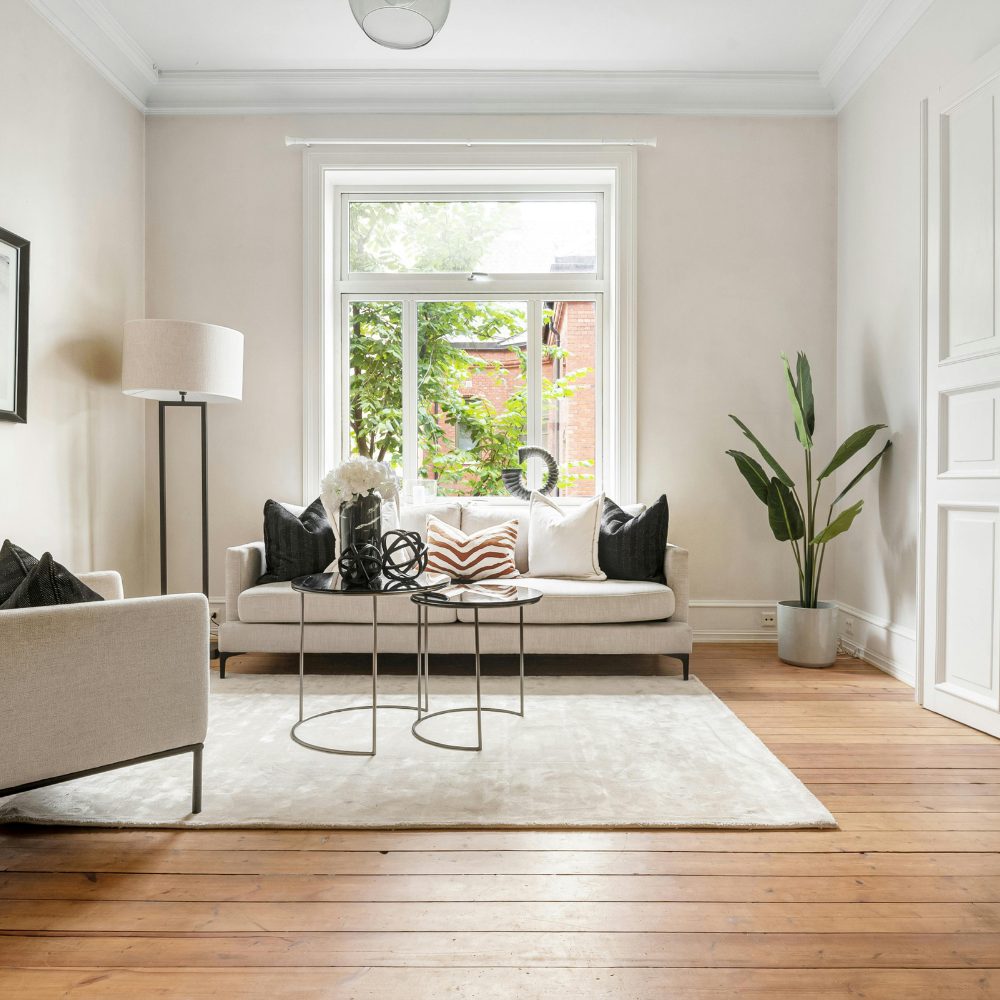
Flooring takes a tremendous amount of abuse over the years, so it's one of the areas where normal wear can become particularly noticeable to buyers.
Scratched hardwood, worn carpet, damaged laminate, stained grout or flooring that has simply reached the end of its useful life can make an otherwise well-maintained home feel older or less cared for.
That doesn't automatically mean you should replace every floor before selling. The right decision depends on the condition of the existing flooring, the type of home, the surrounding finishes and what buyers are likely to expect at the property's price point.
Sometimes a thorough professional cleaning is enough to make a significant difference. Carpets can often look considerably better after a proper cleaning, while hardwood floors may benefit from cleaning and, depending on their condition, refinishing.
Pay attention to transitions between rooms as well. A collection of different flooring materials can sometimes make a home feel visually disconnected. You don't necessarily need to make everything match, but obvious damage or poorly maintained transitions should be addressed.
If replacement is warranted, avoid choosing flooring purely according to your personal taste. Highly distinctive patterns or colours may appeal to one buyer but turn off another. A neutral, durable option generally provides broader appeal.
Also look for problems that could indicate something more serious. Soft spots, buckling, staining or flooring that has changed shape may indicate moisture or structural issues beneath it. Those should be investigated rather than simply covered up.
Buyers understand that flooring gets worn. What matters is whether it looks reasonably well maintained and whether there are obvious problems that make them wonder what else may have been overlooked.
6. Kitchen Appeal
The kitchen is often the emotional centre of a home, and buyers tend to spend a considerable amount of time looking at it.
That doesn't mean every kitchen needs a complete renovation before the house goes on the market. In fact, a major kitchen renovation immediately before selling may not provide the return a homeowner expects.
Instead, look at what can be improved relatively easily.
Start with cleanliness. Clean cabinet doors, countertops, backsplashes, appliances and the areas around the stove and sink. Clear excessive items from countertops so buyers can see how much usable workspace the kitchen actually provides.
Cabinet hardware can sometimes make a dated kitchen feel more current without replacing the cabinets themselves. Similarly, repairing a loose cabinet door, replacing a damaged drawer or fixing a dripping faucet can eliminate small distractions.
Lighting matters here as well. Make sure all fixtures are working and that work surfaces are adequately illuminated. A dark kitchen can feel considerably less inviting than the same kitchen with good lighting.
Storage is another major consideration. Buyers will look inside cupboards and drawers, so an overstuffed kitchen can make storage seem inadequate. Removing items you don't use regularly can make cabinets and pantry areas appear more spacious.
Pay attention to the overall condition rather than simply the age. An older kitchen that is exceptionally clean and well maintained can sometimes make a better impression than a newer kitchen that looks neglected.
Finally, don't underestimate the emotional side of the kitchen. Buyers may imagine themselves preparing meals, entertaining friends or sitting around the table with family. Your job isn't to tell them how they should use the room—it's to make it easy for them to imagine themselves using it.
A clean, functional and inviting kitchen can contribute significantly to a buyer's overall impression of the home.
7. Bathroom Condition
Bathrooms are one of the first areas buyers tend to scrutinize because they can be expensive and disruptive to renovate. A bathroom doesn't necessarily need to be completely renovated before selling, but it should feel clean, well maintained and cared for.
Start with the basics. Thoroughly clean the tub, shower, toilet, vanity, mirrors and flooring. Pay particular attention to grout, caulking and areas around the toilet and tub where dirt, mildew or water staining can become noticeable. Replacing old or discoloured caulking is a relatively inexpensive improvement that can make the entire bathroom look fresher.
Look at the fixtures as well. A dripping faucet, loose toilet, dated light fixture or damaged vanity can give buyers the impression that the bathroom has been neglected. Small repairs can often provide more value than a major renovation undertaken immediately before selling.
If the bathroom is dated but functional, don't automatically assume that a full renovation is necessary. Fresh paint, updated lighting, a new mirror, modern hardware and professionally cleaned surfaces can sometimes make a surprisingly large difference.
Most importantly, buyers are looking for clues about moisture and water damage. Staining around ceilings, walls, tubs or toilets can raise questions about potential problems beyond the bathroom itself. If there is a known issue, it's better to address it properly rather than simply trying to make it less noticeable.
The goal isn't necessarily to create a luxury bathroom. It's to present a bathroom that feels clean, functional, maintained and ready for the next owner.
8. Paint and Wall Condition
Paint is one of the simplest ways to change the way a home looks and feels. It can also influence how buyers perceive the overall condition of the property.
Walls don't have to be perfectly white, but strong personal colours can sometimes make it harder for buyers to picture their own furniture and belongings in the space. Neutral, contemporary colours tend to create a clean backdrop and allow buyers to concentrate on the home itself rather than on the colour choices of the previous owner.
Before deciding to repaint the entire house, walk through it with a critical eye. Look for scuffs, fingerprints, nail holes, damaged drywall, worn corners and areas where furniture or wall hangings have left obvious marks. High-traffic areas such as hallways, stairways and entryways often benefit from attention.
You should also consider whether different rooms have competing colours. A collection of bold or dated colours can make a home feel visually fragmented, whereas a more consistent palette can help the rooms flow together.
That doesn't mean every wall needs to be repainted. If the existing paint is in good condition and the colours are reasonably neutral, cleaning and touching up may be all that is required.
And don't forget the trim. Dirty or chipped baseboards, doors and window casings can make otherwise clean walls look tired.
The objective isn't to make the home look brand new. It's to remove distractions and give buyers the impression that the property has been well cared for. A few cans of paint can sometimes accomplish more than a much more expensive improvement.
9. Layout and Flow
Buyers don't experience a home one room at a time. As they walk through it, they're constantly forming an impression of how the spaces connect and whether the house would work for their lifestyle.
This is what makes layout and flow so important.
Furniture has a major influence on how a room feels. A large sectional, oversized dining table or too much furniture can make an adequately sized room appear cramped. Conversely, removing a few pieces can make the same room feel considerably larger and easier to navigate.
Pay attention to the paths people naturally take through the house. Can someone enter the home without immediately walking into furniture? Is there enough space around the dining table? Can you comfortably move between the kitchen, dining area and living room? Are hallways and stairways clear?
This is also a good time to look at rooms that have developed multiple purposes over the years. A spare bedroom that has become a storage room, office and exercise area may make sense to the current owner, but it can be difficult for a buyer to understand what the room is actually intended to be.
You don't necessarily need to remove every personal item. The goal is to make the purpose of each space obvious.
Storage is another important consideration. Buyers will look in closets, cupboards, basements and garages. If every storage area is packed to the ceiling, buyers may conclude that the house doesn't have enough storage even if it actually does.
Creating better flow is often less about spending money and more about editing what is already there. Remove unnecessary furniture, organize belongings and allow each room to breathe.
A home that feels easy to move through can feel larger, more functional and more comfortable without changing a single wall.
10. Maintenance Red Flags

Few things make a buyer more nervous than seeing a collection of small maintenance issues throughout a home.
One dripping faucet probably isn't going to stop someone from buying a house. But if the faucet is dripping, a light doesn't work, a door doesn't close properly, there are cracked tiles, loose railings and damaged trim, buyers may start wondering what else hasn't been maintained.
This is partly psychological. Buyers know that homes require maintenance, but visible problems can create uncertainty about the things they can't see.
Take a walk through your home as though you're seeing it for the first time. Check doors and windows, light switches, faucets, toilets, cabinet doors, railings and appliances. Look for loose handles, squeaks, leaks, damaged screens and anything that doesn't operate the way it should.
Don't overlook the exterior. Peeling paint, damaged siding, clogged eavestroughs, loose steps, cracked walkways or an overgrown yard can create the same impression before a buyer even enters the house.
Some maintenance items are inexpensive and straightforward to fix. Others may require professional attention. The important thing is to identify them before the buyer does.
This doesn't mean hiding every imperfection. Older homes are expected to show some age, and buyers understand that. What you want to avoid is allowing a collection of relatively minor issues to create the impression of a much larger maintenance problem.
A pre-listing inspection can sometimes be useful, particularly when a seller is concerned that there may be issues they aren't aware of. It gives you an opportunity to decide what should be addressed before the home goes on the market rather than discovering problems after an offer has been made.
Buyers don't just look at homes they experience them.
They notice how the house feels when they walk through the front door, how easy it is to move from room to room, whether the bathrooms feel clean and cared for, and whether the property appears to have been properly maintained.
That doesn't mean every home needs a major renovation before it is listed. In fact, spending thousands of dollars on improvements that won't be recovered in the sale may not make financial sense.
Often, the most effective preparation involves relatively simple changes: cleaning thoroughly, removing clutter, touching up paint, completing small repairs, improving lighting and making each room's purpose obvious.
The key is knowing which improvements are likely to matter to buyers in your particular market and which ones simply represent spending money for the sake of spending money.
That's where a little preparation and some objective advice can make a significant difference.




Main Heading Here
This Blog brought to you by:
The J&P team of Realtors
Buying your first home is exciting—but it can also feel overwhelming.
The good news is that first-time buyers in Ontario have access to several programs and incentives that can make homeownership more affordable.
If you're planning to buy in Peterborough, understanding these programs can give you a major financial advantage.
Ontario Land Transfer Tax Refund
One of the closing costs that surprises many first-time buyers is Ontario's Land Transfer Tax.
Every purchaser of real estate in Ontario generally pays Land Transfer Tax when buying a property. Fortunately, eligible first-time home buyers may qualify for a refund that can significantly reduce this expense.
This refund is designed to help make home ownership more affordable by lowering one of the largest upfront costs associated with purchasing a property.
For example, a first-time buyer purchasing a home in Peterborough may qualify for a rebate that offsets some or all of the provincial Land Transfer Tax payable at closing, depending on the purchase price and eligibility requirements.
Many buyers don't fully appreciate this benefit until they receive their lawyer's statement of adjustments. Learning about the refund early allows buyers to budget more accurately and avoid surprises during the closing process.
To qualify, buyers must generally meet specific eligibility requirements relating to previous home ownership and occupancy. It's important to confirm your eligibility with your real estate lawyer before closing.
Although the refund won't eliminate every closing cost, it can provide meaningful savings that may be used toward moving expenses, furniture, home improvements, or simply reducing the amount of cash required on closing day.
When combined with programs such as the Home Buyers' Plan and the First Home Savings Account, the Ontario Land Transfer Tax Refund can become an important part of an overall first-time home-buying strategy.
RRSP Home Buyers’ Plan

The **RRSP Home Buyers' Plan (HBP)** helps eligible first-time home buyers use their existing retirement savings to purchase or build a qualifying home. Instead of paying tax on an RRSP withdrawal, you can withdraw eligible funds tax-free, provided you repay the money to your RRSP over the required repayment period.
For many buyers in Peterborough, saving a down payment is the biggest hurdle to home ownership. The HBP can help bridge that gap by allowing you to access savings you've already built in your RRSP, making it possible to buy sooner or increase your down payment. A larger down payment may reduce your mortgage amount and monthly payments.
It's important to remember that this is not free money. The amount you withdraw must be repaid over time, and missed repayments may be added to your taxable income.
When combined with programs like the First Home Savings Account (FHSA) and the Ontario Land Transfer Tax Refund, the RRSP Home Buyers' Plan can be an effective way to make your first home purchase more affordable.
Before using the HBP, speak with your mortgage professional or financial advisor to ensure it fits your overall financial plan and home-buying goals.
First Home Savings Account (FHSA)
The First Home Savings Account (FHSA) has quickly become one of the most attractive savings tools available to Canadians planning to purchase their first home.
What makes the FHSA unique is that it combines two significant tax advantages into one account. Contributions are tax-deductible, much like an RRSP, while qualified withdrawals used to purchase a first home are tax-free, similar to a Tax-Free Savings Account (TFSA). Few financial products offer both benefits at the same time.
For many first-time buyers in Peterborough, this creates an excellent opportunity to build a down payment more quickly while reducing their taxable income during their working years.
Imagine someone planning to buy their first home within the next three to five years. Rather than simply placing savings into a regular bank account, they contribute to an FHSA each year. Those contributions may reduce their income tax, while investment growth inside the account remains sheltered from tax. When they're ready to purchase a qualifying home, the funds can generally be withdrawn tax-free.
Because home prices and required down payments continue to increase, every dollar saved can make a meaningful difference. The FHSA encourages disciplined saving while rewarding buyers through valuable tax advantages.
Although the account is designed specifically for first-time home buyers, there are eligibility rules and contribution limits that should be reviewed before opening an account. Speaking with a financial institution or financial advisor can help determine how the FHSA fits into your overall home-buying strategy.
For many buyers entering today's market, the FHSA should be one of the very first financial tools they consider.
First-Time Home Buyers' Tax Credit (HBTC)
The First-Time Home Buyers' Tax Credit (HBTC) is a federal tax credit designed to help offset some of the costs associated with buying your first home. While it doesn't provide money upfront for your down payment, it can reduce the amount of federal income tax you owe when you file your tax return.
Many first-time buyers face additional expenses beyond the purchase price, including legal fees, home inspections, moving costs, and utility setup. The HBTC helps ease some of these costs by providing eligible buyers with a valuable tax credit after they purchase their home.
If you're buying your first home in Peterborough, this credit can be combined with other programs such as the First Home Savings Account (FHSA), the RRSP Home Buyers' Plan (HBP), and the Ontario Land Transfer Tax Refund, making home ownership more affordable.
Eligibility requirements apply, so it's always a good idea to speak with your accountant or tax professional to ensure you qualify and claim the credit correctly on your income tax return.
30-Year Mortgage Amortization

Some first-time home buyers may be eligible for a 30-year mortgage amortization, which can help make monthly mortgage payments more affordable. By spreading the mortgage over a longer period, your regular payments are reduced, making it easier to qualify for a home or fit homeownership into your monthly budget.
While a longer amortization lowers your monthly payments, it also means you'll pay more interest over the life of the mortgage. For many first-time buyers, however, the lower monthly cost can make purchasing a home possible sooner rather than waiting years to save a larger down payment.
Eligibility requirements vary depending on your purchase and mortgage type, so it's important to speak with your mortgage professional to determine whether a 30-year amortization is available and whether it's the right financial choice for your situation.
Local Reality in Peterborough
Peterborough remains attractive for first-time buyers because:
* Prices are lower than GTA
* More entry-level homes available
* Condos and townhomes provide options
* Strong long-term value growth
Final Thoughts
First-time buyers don’t have to navigate the process alone—and programs exist to help make homeownership more achievable.
If you're buying your first home in Peterborough, I can help you understand your options, budget, and available programs.
Learn how to win in a competitive
Peterborough real estate market
This Blog brought to you by:
The J&P team of Realtors
Even in a balanced market, desirable homes in Peterborough can still attract strong interest.
So how do buyers successfully win in competitive situations without overpaying or taking unnecessary risks?
It comes down to preparation, strategy, and local market knowledge.
Get Pre-Approved First
Before viewing homes, get a full mortgage pre-approval.
This helps you:
* Understand your budget
* Move quickly on offers
* Show sellers you are serious
Understand Local Market Conditions

Each Peterborough neighbourhood behaves differently.
For example:
* East City homes may attract multiple offers
* Newer subdivisions may have more flexibility
* Rural homes may vary widely in demand
Make a Clean, Strong Offer
In competitive situations, simplicity matters.
Strong offers often include:
* Fewer conditions
* Shorter timelines
* Clear financing approval
* Professional presentation
Know When to Compete—and When Not To
Not every home is worth a bidding war.
A good strategy means knowing when to walk away.
Work With a Local Expert

Local experience matters more than ever.
An agent familiar with Peterborough can help you:
* Understand true market value
* Identify over- or under-priced homes
* Structure stronger offers
Final Thoughts
Winning in a competitive market isn’t about luck—it’s about preparation and strategy.
If you're buying in Peterborough, I can help you build a winning strategy that fits your goals and budget.
Why Peterborough is One of Ontario’s Best Places to Live
This Blog brought to you by:
The J&P team of Realtors
More and more people across Ontario are asking the same question:
“Is Peterborough a good place to live?”
For many buyers relocating from the GTA, Ottawa, and other parts of Ontario, the answer is becoming increasingly clear—**yes, it absolutely is**.
Peterborough offers a rare combination of affordability, lifestyle, natural beauty, and community that is getting harder to find in larger urban centres.
Affordability Compared to Major Cities
One of the biggest advantages of living in Peterborough is value.
Compared to Toronto and the GTA, buyers often find:
* More square footage for the price
* Larger lots
* More detached home opportunities
* Lower overall cost of living
While prices have risen in recent years, Peterborough still offers significantly better value than many nearby markets.
Lifestyle and Natural Beauty
Peterborough sits at the gateway to the Kawarthas, one of Ontario’s most beautiful recreational regions.
Residents enjoy:
* Hundreds of lakes and rivers
* Boating and fishing
* Hiking and trails
* Year-round outdoor activities
It’s a city where nature is part of everyday life.
Strong Community Feel
Despite steady growth, Peterborough maintains a strong sense of community.
You’ll find:
* Local events and festivals
* Supportive neighbourhoods
* Active arts and culture scene
* Friendly, small-city atmosphere
Education and Healthcare
Peterborough is home to:
* Trent University
* Fleming College
* Peterborough Regional Health Centre
These institutions strengthen both the local economy and quality of life.
Neighbourhood Variety
From East City charm to North End family living and rural townships nearby, buyers have plenty of choice.
Final Thoughts
Peterborough continues to stand out as one of Ontario’s most balanced and livable communities.
If you're thinking about moving to Peterborough, I can help you explore neighbourhoods and find the right home for your lifestyle.
Moving to Peterborough
from the GTA:
A Complete Guide
This Blog brought to you by:
The J&P team of Realtors
Over the past several years, thousands of Ontario residents have looked beyond the GTA in search of more space, better affordability, and an improved quality of life.
For many, Peterborough has emerged as one of the most attractive destinations.
Located approximately 90 minutes from Toronto, Peterborough offers the perfect balance of urban amenities, natural beauty, and housing value.
If you're considering making the move, here's everything you need to know.
Why GTA Buyers Are Choosing Peterborough
* More house for your money
* Larger lots
* Waterfront opportunities
* Outdoor lifestyle
Housing Comparison
* Toronto vs Peterborough pricing
* Property types available
* Family homes and waterfront options
Best Peterborough Neighbourhoods for GTA Buyers
* East City
* North End
* West End
* Lakefield
* Bridgenorth
Commuting Considerations
* Highway 115 access
* GO Transit connections
* Hybrid work lifestyles
Education and Healthcare
* Schools
* Trent University
* Fleming College
* Peterborough Regional Health Centre
Lifestyle Benefits
* Lakes and rivers
* Trails and parks
* Community events
* Reduced traffic
Common Concerns Relocating Buyers Have
Relocating to a new city is exciting, but it's also natural to have questions and concerns. After helping many buyers make the move to Peterborough and the surrounding area, I've noticed a few themes come up time and again.
"Will I Feel at Home Here?"
Whether you're moving from the GTA, another province, or a smaller community, adjusting to a new environment takes time. Peterborough offers a welcoming mix of urban conveniences and small-town friendliness. Local festivals, farmers' markets, sports leagues, volunteer organizations, and community events make it easy to meet people and become part of the community.
"What Is the Commute Like?"
Many buyers continue working outside Peterborough or split their time between home and the office. Depending on where you choose to live, Highway 115 provides convenient access to the GTA, while surrounding communities such as Lakefield, Bridgenorth, and Cavan Monaghan offer a quieter lifestyle with manageable commute times.
"Will I Have Access to the Services I Need?"
Peterborough is home to excellent healthcare facilities, shopping, restaurants, recreation centres, and educational institutions, including Fleming College and Trent University. Many relocating buyers are pleasantly surprised by the variety of services available without the congestion of a much larger city.
"Am I Choosing the Right Neighbourhood?"
Every buyer's priorities are different. Some want to be within walking distance of downtown restaurants and shops, while others prefer larger lots, newer subdivisions, or waterfront living. Taking the time to discuss your lifestyle, budget, commute, and long-term plans helps narrow down the communities that will be the best fit.
"Am I Paying a Fair Price?"
Market conditions can vary significantly between communities and even between neighbourhoods. Having a local REALTOR® who understands current market trends, recent sales, and property values helps ensure you're making a confident, informed decision rather than relying solely on online estimates.
Tips for a Smooth Transition
A little preparation can make your move to Peterborough much less stressful. Here are a few practical suggestions that can help the process go smoothly.
Get to Know the Area Before You Move
If possible, spend a weekend exploring Peterborough and the surrounding communities. Visit local parks, restaurants, shopping areas, and neighbourhoods at different times of the day to get a feel for where you'll be living.
Plan Your Moving Timeline Early
Booking movers, arranging utility transfers, updating your address, and organizing important documents well in advance can prevent unnecessary stress during the final weeks before your move.
Learn the Community
Take advantage of local events, farmers' markets, conservation areas, trails, and community organizations. Getting involved early is one of the quickest ways to feel connected to your new home.
Build Your Local Network
One of the advantages of working with a local REALTOR® is access to trusted professionals. Whether you need a lawyer, mortgage broker, contractor, home inspector, plumber, electrician, or landscaper, having reliable local recommendations can save both time and frustration.
Think Beyond the Purchase
Buying your home is only the first step. Consider your long-term plans as well. Is the neighbourhood likely to suit your family in five or ten years? Are schools, recreation, commuting, or future resale value important? Thinking ahead today often leads to better decisions tomorrow.
Final Thought
Relocating is about much more than changing your address. It's about finding a community where you can build your future with confidence. My goal is to make that transition as smooth as possible by providing honest advice, local knowledge, and guidance every step of the way.
Whether you're moving across Ontario or across the country, I'd be happy to help you make Peterborough feel like home.
If you're considering a move from Toronto, Durham Region, York Region, or elsewhere in the GTA, I'd be happy to provide local insights, neighbourhood recommendations, and current market information to help make your move a success.
New Construction
vs
Resale Homes
in Peterborough:
Which Is Right for You?
This Blog brought to you by:
The J&P team of Realtors
When buying a home in Peterborough, one of the biggest decisions is whether to purchase a brand-new build or a resale home.
Both options offer unique advantages—and the right choice depends on your budget, timeline, and lifestyle preferences.
Advantages of New Construction
New homes are increasingly popular in Peterborough.
Benefits:
* Modern layouts and open concepts
* Energy efficiency and lower utility costs
* Builder warranties
* Less immediate maintenance
* Contemporary finishes
Considerations:
* Higher purchase prices
* Longer closing timelines
* Landscaping not included in many cases
* Limited negotiation flexibility
* Potential development noise/ongoing construction
Advantages of Resale Homes
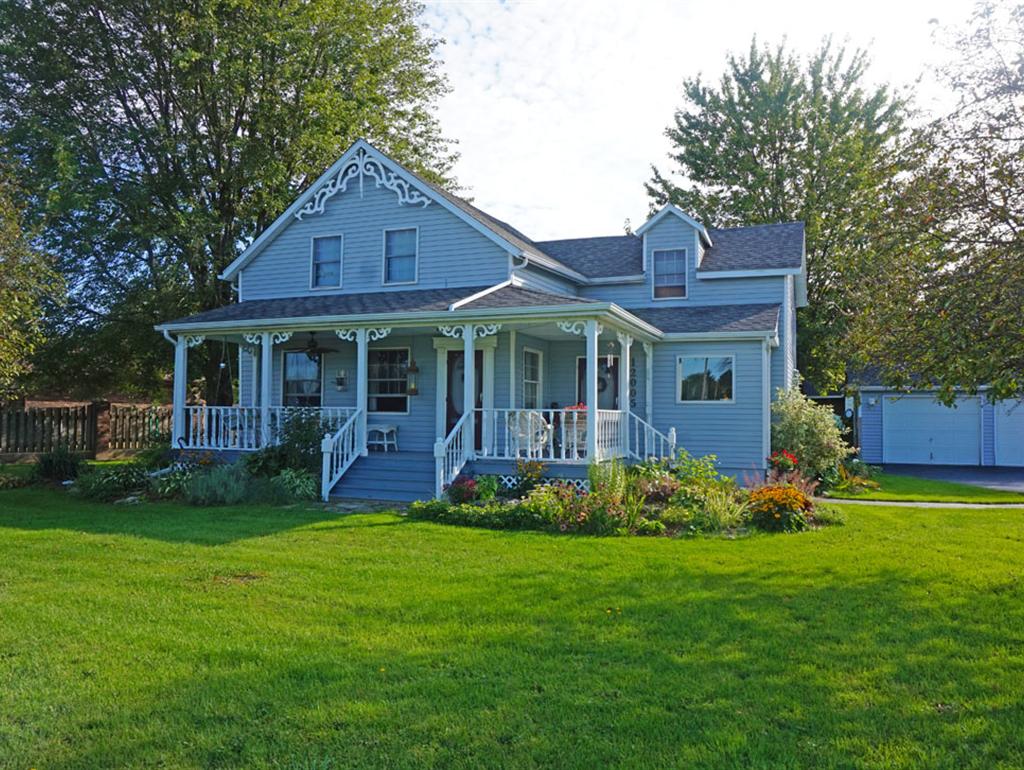
Resale properties remain a strong option in Peterborough.
Benefits:
* Established neighbourhoods
* Mature trees and landscaping
* Larger lot sizes
* Immediate occupancy
* More pricing flexibility
---
Disadvantages of Resale Homes
* Older systems (roof, furnace, plumbing)
* Potential renovations needed
* Less energy efficiency in older builds
* Varying maintenance history
Where You’ll Find New Builds in Peterboroug
New construction is most common in:
* North End developments
* West End expansions
* Surrounding townships
Where You’ll Find Resale Homes
Resale homes dominate:
* East City
* Downtown Peterborough
* Established West End neighbourhoods
* Mature suburban areas
Which Offers Better Value?

The answer depends on what you value more:
* Convenience → New construction
* Character and location → Resale homes
Many buyers end up choosing based on lifestyle rather than price alone.
Final Thoughts
Both new and resale homes in Peterborough offer strong opportunities—it’s about matching the home type to your long-term goals.
If you're deciding between a new build or resale home in Peterborough, I can help you compare options and find the best fit for your needs and budget.
City vs. Country Living:
Should You Buy in Peterborough
or the Surrounding Townships?
This Blog brought to you by:
The J&P team of Realtors
One of the biggest decisions home buyers face in the Peterborough area isn’t just what home to buy, it’s where to live.
Do you stay within the City of Peterborough, close to schools, shopping, healthcare, and amenities? Or do you head just outside the city into surrounding townships like Selwyn, Cavan Monaghan, Douro-Dummer, or Otonabee-South Monaghan where you can enjoy larger lots, privacy, and a more rural lifestyle?
Both options offer incredible value, but they deliver very different lifestyles.
Living in the City of Peterborough
City living appeals to buyers who want convenience and accessibility.
Key Benefits:
* Short commutes to work, schools, and healthcare
* Walkable neighbourhoods in select areas
* Access to shopping, restaurants, and services
* Strong school systems
* Municipal water and sewer services
Popular City Neighbourhoods:
* East City
* North End
* West End
* Downtown Peterborough
City living is ideal for families, professionals, retirees, and first-time buyers who want simplicity and convenience.
Living in the Surrounding Townships

Just beyond the city limits, lifestyle changes significantly.
Key Benefits:
* Larger lots and more privacy
* More affordable price per acre in many areas
* Access to lakes, rivers, and nature
* Opportunity for hobby farms and acreage properties
* Quieter, slower-paced lifestyle
Popular Areas:
* Lakefield
* Bridgenorth
* Ennismore
* Douro-Dummer
* Cavan Monaghan
* Otonabee-South Monaghan
These areas are especially popular with buyers looking for space, waterfront access, or long-term rural living.
Cost Differences: City vs Country
One of the biggest factors in the decision is cost—but it’s not just about the purchase price.
City Costs:
* Higher land value per square foot
* Municipal utilities (water/sewer)
* Smaller lots on average
Country Costs:
* Septic systems instead of sewer
* Wells instead of municipal water
* Higher utility variability
* Potential for larger maintenance responsibilities
While rural properties may offer more space for the price, ongoing costs can differ significantly.
Lifestyle Differences
City Lifestyle:
* More walkable
* Easier access to services
* Faster-paced environment
* Strong neighbourhood communities
Country Lifestyle:
* Peace and privacy
* More outdoor recreation
* Space for boats, ATVs, and hobbies
* Slower, more relaxed living
Your daily routine and long-term goals play a major role in determining which is the better fit.
Commuting and Accessibility

City homes generally offer shorter commute times.
However, many rural buyers find the trade-off worthwhile—especially with more people working remotely or hybrid schedules becoming common.
Highway access via **Hwy 115, Hwy 7, and local county roads** makes commuting from surrounding townships very manageable for many residents.
Which One Is Right for You?
---
Ask yourself:
* Do I want convenience or space?
* Do I prefer walkability or privacy?
* Do I want a smaller maintenance lifestyle or more land?
* Am I commuting daily or working from home?
There is no wrong answer—only what fits your lifestyle best.
Final Thoughts
The Peterborough region offers a rare opportunity: **you can truly choose your lifestyle without leaving the area**.
Whether you prefer city convenience or rural freedom, there are strong real estate options in both directions.
Decsion Time
If you're trying to decide between city or country living around Peterborough, I can help you compare properties, understand costs, and find the right fit for your lifestyle.
Contact me today for expert local advice.
Hidden Costs of Buying a Home
in Peterborough:
What Every Buyer Should Budget For
This Blog brought to you by:
The J&P team of Realtors
Most home buyers spend countless hours calculating mortgage payments, saving for a down payment, and browsing listings online. But one of the biggest mistakes buyers make is focusing solely on the purchase price.
The reality is that buying a home comes with a variety of additional costs that can catch buyers off guard if they're not properly prepared.
Whether you're a first-time buyer or an experienced homeowner, understanding these expenses can help you budget accurately and avoid unnecessary stress during the buying process.
If you're considering buying a home in Peterborough, Ontario, here's a closer look at the hidden costs you should plan for before making your move.
Why Understanding Closing Costs Matters
Many buyers assume that once they've saved their down payment, they're financially ready to purchase a home.
However, closing costs and ownership expenses can easily add thousands of dollars to the overall cost of a transaction.
Being prepared allows you to:
* Avoid last-minute financial surprises
* Move into your new home with confidence
* Maintain emergency savings
* Make better purchasing decisions
A little planning today can prevent a lot of stress tomorrow.
Land Transfer Tax

One of the largest closing expenses for Ontario home buyers is the provincial Land Transfer Tax.
This tax is paid when ownership of a property changes hands.
The amount varies depending on the purchase price of the home.
First-Time Buyer Rebates
Many first-time buyers may qualify for rebates that help reduce or offset a portion of this expense.
Because programs and eligibility can change, buyers should confirm current details before closing.
While land transfer tax often isn't top of mind during the home search, it can represent a significant cost and should always be included in your budget calculations.
Legal Fees and Disbursements
Every real estate transaction requires legal services to complete the transfer of ownership.
Your lawyer will typically handle:
* Title searches
* Document preparation
* Registration of the property
* Mortgage registration
* Transfer of funds
In addition to legal fees, buyers should expect various disbursements and administrative costs.
While these expenses vary, they are an important part of the closing process.
Home Inspection Costs
A professional home inspection is one of the best investments a buyer can make.
Inspectors examine major components of the property including:
* Roofing
* Foundation
* Plumbing
* Electrical systems
* Heating and cooling
* Structural elements
Even relatively new homes can have issues that aren't immediately visible during a showing.
The cost of an inspection is minor compared to discovering a major repair after taking ownership.
Property Appraisal Fees

In some situations, lenders may require an appraisal to confirm the property's market value.
An appraisal helps ensure the home's value supports the mortgage amount being requested.
Although not required in every transaction, buyers should be aware that appraisal fees may become part of the process.
Home Insurance
Most lenders require proof of home insurance before closing.
The cost depends on several factors including:
* Property type
* Replacement value
* Location
* Claims history
* Coverage selections
Waterfront properties, rural homes, and older houses may sometimes carry different insurance considerations than newer urban homes.
Obtaining insurance quotes early can help avoid surprises.
Utility and Service Set-Up Costs
Moving into a new home often requires transferring or establishing various services.
These may include:
* Hydro
* Natural gas
* Internet
* Water services
* Waste collection
Some providers charge connection or transfer fees that buyers don't always anticipate.
While individually small, these costs can add up quickly during a move.
Property Taxes
Property taxes are an ongoing expense that should be factored into every homeownership budget.
Taxes vary depending on:
* Property location
* Assessment value
* Municipal tax rates
For example, a rural property in Peterborough County may have different tax implications than a home within the City of Peterborough.
When evaluating affordability, it's important to consider monthly taxes alongside mortgage payments.
Moving Expenses

One of the most commonly overlooked costs is simply getting from one home to another.
Moving expenses may include:
* Professional movers
* Truck rentals
* Packing supplies
* Temporary storage
* Utility transfers
The size of your move and distance travelled can significantly affect these costs.
Planning ahead can help reduce expenses and make moving day smoother.
Immediate Repairs and Improvements

Many buyers move into a home with a list of projects they'd like to tackle.
These might include:
* Roofing
* Flooring updates
* Appliance replacements
* Landscaping
* Lighting upgrades
While these aren't technically closing costs, they often become immediate post-purchase expenses.
Creating a realistic renovation budget can help prevent overspending during the excitement of moving into a new home.
Septic and Well Inspections
For buyers considering rural properties around Peterborough, additional inspections may be necessary.
Many country homes rely on:
* Private wells
* Septic systems
These systems should be evaluated separately from a standard home inspection.
Understanding their condition before closing can prevent costly surprises later.
This is particularly important in communities such as Douro-Dummer, Cavan Monaghan, Otonabee-South Monaghan, and other rural areas surrounding the city.
Waterfront Property Costs
Waterfront homes offer incredible lifestyle benefits, but they may also involve additional expenses.
Potential costs include:
* Dock maintenance
* Shoreline repairs
* Waterfront insurance considerations
* Septic maintenance
* Water treatment systems
Buyers considering properties on Chemong Lake, Stoney Lake, Buckhorn Lake, Katchewanooka Lake, or the Otonabee River should budget accordingly.
Emergency Maintenance Fund
One of the smartest things a homeowner can do is maintain an emergency fund.
Even well-maintained homes occasionally require unexpected repairs.
Examples include:
* Furnace replacement
* Roof repairs
* Appliance failures
* Plumbing issues
Having funds available provides peace of mind and prevents financial strain.
Common Budgeting Mistakes Buyers Make
Spending Every Dollar on the Down Payment
Leaving yourself financially stretched can create unnecessary stress after closing.
Forgetting About Ownership Costs
Monthly ownership expenses go beyond the mortgage payment.
Underestimating Renovations
Small projects often cost more than expected.
Ignoring Future Maintenance
Every home requires ongoing upkeep.
Focusing Only on Purchase Price
A less expensive home with major repair needs may ultimately cost more than a move-in-ready property.
How Much Should Buyers Budget for Closing Costs?
While every transaction is different, many buyers benefit from setting aside additional funds beyond their down payment to cover closing costs and moving expenses.
A conversation with your lender, lawyer, and real estate professional can help provide a more accurate estimate based on your specific situation.
The key is planning ahead so there are no surprises.
Buying a Home in Peterborough? Let's Make Sure You're Prepared
Purchasing a home is an exciting milestone, but understanding the full financial picture is essential for a successful experience.
Whether you're buying your first home, upgrading to accommodate a growing family, downsizing, or relocating to Peterborough, having local guidance can help you navigate every step with confidence.
If you're considering buying a home in Peterborough, Ontario, I'd be happy to help you understand the market, estimate your costs, and create a strategy that fits your goals and budget.
Contact me today for expert advice and personalized assistance with your Peterborough home search.
Waterfront Homes Near Peterborough:
What Buyers Need to Know
This Blog brought to you by:
The J&P team of Realtors
There's something undeniably special about waterfront living.
Imagine enjoying your morning coffee overlooking the lake, spending summer afternoons boating with family and friends, or watching the sunset reflect across the water from your own dock. For many buyers, owning a waterfront property near Peterborough isn't just a real estate purchase—it's a lifestyle investment.
The Peterborough and Kawartha Lakes region is home to some of Ontario's most sought-after waterfront communities, attracting buyers from across the province who are looking for recreation, relaxation, and a connection to nature.
However, buying a waterfront property is very different from buying a typical residential home. Shorelines, water quality, septic systems, docks, and seasonal considerations can all impact both enjoyment and long-term value.
Before you begin your search, here's what every waterfront buyer should know about purchasing a waterfront home near Peterborough, Ontario.
Why Waterfront Properties Near Peterborough Are So Popular
Peterborough sits at the gateway to the Kawarthas, one of Ontario's premier cottage and waterfront destinations.
The region offers:
* Hundreds of lakes and rivers
* Excellent boating opportunities
* World-class fishing
* Four-season recreation
* Strong rental potential
* Convenient access to the GTA
Many buyers appreciate that they can enjoy waterfront living while remaining within a reasonable drive of larger urban centres.
For some, waterfront ownership means a seasonal retreat. For others, it's a year-round residence that offers a lifestyle many people only experience during vacations.
Popular Waterfront Areas Around Peterborough

One of the advantages of the Peterborough area is the diversity of waterfront options available.
Each lake and river system offers a unique experience.
Chemong Lake
Located just north of Peterborough, Chemong Lake is one of the region's most popular waterfront destinations.
Buyers are attracted by:
* Large boating opportunities
* Access to the Trent-Severn Waterway
* Proximity to Peterborough amenities
* Year-round residential options
Communities such as Bridgenorth and Ennismore continue to attract significant buyer interest.
Stoney Lake
Often considered one of the premier lakes in the Kawarthas, Stoney Lake is known for its crystal-clear water, granite shorelines, and exceptional scenery.
Properties here often command premium prices due to:
* Excellent water quality
* Stunning natural beauty
* Strong long-term demand
* Luxury waterfront opportunities
Buckhorn Lake
Buckhorn Lake appeals to buyers seeking both recreational opportunities and a strong sense of community.
Benefits include:
* Boating access
* Fishing opportunities
* Nearby services
* Four-season enjoyment
Katchewanooka Lake
Located near Lakefield, Katchewanooka Lake offers beautiful waterfront properties with convenient access to local amenities.
Many buyers appreciate the combination of waterfront living and small-town charm.
Pigeon Lake
Part of the Trent-Severn Waterway system, Pigeon Lake provides extensive boating opportunities and attracts buyers looking for a highly recreational waterfront lifestyle.
Otonabee River
Not all waterfront buyers are looking for lakefront property.
The Otonabee River offers:
* Waterfront homes within city limits
* Easy boating access
* Proximity to services
* Beautiful water views
Properties along the river can provide a unique balance between urban convenience and waterfront living.
Understanding Waterfront Property Types
Not all waterfront properties are created equal.
Understanding shoreline characteristics can significantly impact your enjoyment and future resale value.
Sandy Shoreline
Often highly desirable for families with children.
Benefits include:
* Easier swimming access
* Recreational appeal
* Strong buyer demand
Rocky Shoreline
Common throughout the Kawarthas.
Advantages include:
* Reduced erosion
* Natural beauty
* Often deeper water
Gradual Entry Waterfront
Ideal for swimming and family activities.
Deep Water Access
Preferred by many boating enthusiasts.
The type of shoreline that best suits your lifestyle should be a major consideration during your search.
Water Quality Matters
One of the most important factors buyers often overlook is water quality.
While most lakes in the region offer excellent recreational opportunities, conditions can vary.
Consider:
* Water clarity
* Weed growth
* Algae concerns
* Swimming conditions
* Environmental health
A local real estate professional familiar with specific lakes can provide valuable insight into characteristics that may not be obvious during a single viewing.
Septic Systems and Waterfront Homes

Many waterfront properties rely on private septic systems rather than municipal sewer services.
Before purchasing, buyers should understand:
* System age
* Maintenance history
* Inspection results
* Capacity limitations
Replacing a septic system can be a significant expense, making proper due diligence essential.
A professional inspection is highly recommended when purchasing any waterfront property.
Docks, Boathouses, and Shoreline Structures
Many waterfront properties include additional structures that enhance enjoyment.
These may include:
* Docks
* Boat lifts
* Boathouses
* Shoreline retaining walls
* Waterside decks
However, buyers should verify:
* Permits
* Compliance with current regulations
* Structural condition
* Maintenance requirements
Not every existing structure may meet current standards.
Understanding what can and cannot be modified is an important part of the buying process.
Four-Season vs. Seasonal Properties
Many buyers begin their search thinking they want a cottage, only to discover they would prefer a year-round waterfront residence.
Four-Season Properties
Typically feature:
* Insulated construction
* Permanent heating systems
* Year-round road access
* Suitable infrastructure for permanent living
Seasonal Properties
May offer:
* Simpler maintenance
* Lower purchase prices
* Recreational focus
However, seasonal properties may have limitations during winter months.
Understanding how you intend to use the property will help narrow your search.
Waterfront Insurance and Ownership Costs
Waterfront ownership often comes with additional expenses.
These may include:
Insurance
Waterfront insurance can differ from traditional homeowner policies.
Shoreline Maintenance
Docks, retaining walls, and shoreline protection may require periodic repairs.
Septic Maintenance
Private systems require regular inspections and pumping.
Tree and Property Maintenance
Larger lots often require ongoing care.
While these costs are generally manageable, they should be factored into your overall budget.
Waterfront Properties as Investments
Many buyers view waterfront real estate as a long-term investment.
Historically, waterfront properties near Peterborough have benefited from:
* Limited shoreline supply
* Consistent buyer demand
* Lifestyle-driven purchasing decisions
* Strong appeal among retirees and recreational buyers
While no investment is guaranteed, waterfront real estate often remains highly desirable due to its scarcity.
After all, no one is creating more waterfront.
Common Waterfront Buying Mistakes

Falling in Love with the View Alone
A beautiful view is important, but practical considerations matter too.
Ignoring Water Depth
Boaters should verify water depth and navigability.
Skipping Inspections
Waterfront homes often have unique systems that require specialized evaluation.
Underestimating Maintenance
Waterfront ownership typically involves more maintenance than a traditional residential property.
Not Understanding Shoreline Regulations
Future plans for docks, additions, or shoreline improvements may be subject to restrictions.
What $500,000, $750,000,
and $1 Million
Can Buy in Peterborough, Ontario
This Blog brought to you by:
The J&P team of Realtors
One of the first questions buyers ask when beginning their home search is simple:
**"What can I actually afford in Peterborough?"**
The answer depends on more than just your budget. Location, property type, lot size, age of the home, and current market conditions all play a role in determining what your money can buy.
The good news is that Peterborough continues to offer a wide range of housing options compared to many larger Ontario markets. Whether you're entering the market for the first time, upgrading to accommodate a growing family, or searching for your dream home, understanding what's available at different price points can help you set realistic expectations and make better decisions.
Let's explore what buyers can typically expect when shopping in Peterborough's real estate market.
Why Peterborough Continues to Offer Strong Value
For years, Peterborough has attracted buyers seeking more space and a better quality of life than they could afford in larger urban centres.
Located in the heart of the Kawarthas, Peterborough combines city amenities with easy access to lakes, trails, parks, and outdoor recreation.
Many buyers relocating from the GTA are surprised to discover that their budget can often purchase significantly more home than they're accustomed to seeing elsewhere.
While housing prices have evolved over time, Peterborough remains one of Ontario's most attractive markets for value-conscious buyers.
What Can $500,000 Buy in Peterborough?

For buyers entering the market, a budget around $500,000 can still provide opportunities, although flexibility may be required depending on neighbourhood and property type.
Typical Options Include:
* Smaller detached homes
* Older bungalows
* Semi-detached properties
* Townhomes
* Condominiums
* Homes requiring cosmetic updates
Common Features
At this price point, buyers may find:
* Two to three bedrooms
* One to two bathrooms
* Smaller lots
* Older finishes
* Established neighbourhoods
Popular Areas
Depending on market conditions, opportunities may exist in:
* Central Peterborough
* Downtown areas
* Parts of the South End
* Select West End neighbourhoods
* Older subdivisions throughout the city
Ideal Buyers
A $500,000 budget often appeals to:
* First-time home buyers
* Single professionals
* Downsizers
* Investors
For many buyers, this price range provides an affordable entry point into the Peterborough real estate market.
What Can $750,000 Buy in Peterborough?
This price point tends to offer the widest selection and often represents the sweet spot for many family buyers.
At approximately $750,000, buyers generally gain access to larger homes, more desirable neighbourhoods, and updated features.
Typical Options Include
* Modern detached homes
* Large family homes
* Updated bungalows
* Two-storey properties
* Newer subdivisions
Common Features
Buyers can often expect:
* Three to four bedrooms
* Two to three bathrooms
* Attached garages
* Finished basements
* Larger lots
* Updated kitchens and bathrooms
Popular Neighbourhoods
Properties in this range are frequently found in:
# North End
Known for family-friendly communities, schools, and parks.
# West End
Offers convenience, amenities, and excellent value.
# Kawartha Heights
Appeals to buyers seeking quiet residential streets and spacious homes.
# East City
May offer character homes with significant updates and strong community appeal.
Ideal Buyers
This budget often attracts:
* Growing families
* Move-up buyers
* Professionals relocating to the area
* Buyers seeking long-term family homes
For many households, $750,000 provides the best balance between affordability and choice.
What Can $1 Million Buy in Peterborough?
Reaching the million-dollar mark opens the door to premium properties, larger lots, luxury finishes, and highly desirable locations.
While $1 million may not have purchased a luxury home everywhere in Ontario a decade ago, today's Peterborough market offers substantial value in this category.
Typical Options Include
* Executive homes
* Waterfront properties
* Custom-built residences
* Luxury family homes
* Estate-style properties
Common Features
Buyers may find:
* Four or more bedrooms
* Premium finishes
* Triple-car garages
* Extensive landscaping
* Home offices
* Large lots
* High-end kitchens
* Finished recreation spaces
Popular Locations
East City Waterfront Areas
Highly desirable for buyers seeking water views and premium locations.
Rural Peterborough County
Offers estate properties and significant acreage.
Lakefield Area
Known for beautiful homes and strong lifestyle appeal.
Bridgenorth and Ennismore
Popular for waterfront and executive-style living.
Ideal Buyers
This price point commonly attracts:
* Executive families
* Retirees upgrading lifestyle
* Waterfront buyers
* Buyers relocating from major urban centres
Many luxury buyers are pleasantly surprised by the value available in Peterborough compared to larger Ontario markets.
How Location Impacts Value

A common misconception among buyers is that budget alone determines what they can purchase.
In reality, location often has an even greater impact.
For example:
A $750,000 budget may buy:
* A newer home in a suburban subdivision
* An older character home in East City
* A country property outside the city
* A smaller waterfront home
Each offers a very different lifestyle.
The key is determining which factors matter most to you.
City Living vs. Rural Living
Many buyers moving to Peterborough face an important decision:
Should they buy within the city or explore surrounding communities?
City Advantages
* Shorter commutes
* Municipal services
* Walkability
* Access to shopping and healthcare
Rural Advantages
* Larger lots
* More privacy
* Potential waterfront access
* Room for hobbies and recreation
Communities such as Lakefield, Bridgenorth, Ennismore, Douro-Dummer, and Cavan Monaghan offer attractive alternatives for buyers seeking additional space.
Factors Beyond Purchase Price
When evaluating affordability, remember to consider:
Property Taxes
Taxes vary depending on location and property type.
Utilities
Larger homes often have higher operating costs.
Maintenance
Older homes may require additional upkeep.
Commuting Costs
Rural properties can increase fuel and transportation expenses.
A home that fits comfortably within your monthly budget often provides a better long-term experience than simply stretching for the largest property possible.
How to Determine the Right Budget
The right budget isn't necessarily the highest amount your lender approves.
Instead, consider:
* Monthly comfort level
* Lifestyle goals
* Future plans
* Emergency savings
* Renovation needs
Buying within a comfortable range allows flexibility for unexpected expenses and future opportunities.
Ready to Explore Peterborough Real Estate?
Whether your budget is $500,000, $750,000, $1 million, or somewhere in between, understanding your options is the first step toward making a confident purchase.
As a local real estate professional, I can help you identify opportunities, compare neighbourhoods, and find the property that best matches your goals and lifestyle.
If you're thinking about buying a home in Peterborough, Ontario, contact me today for a personalized consultation and the latest market insights. Together, we'll find the home that's right for you.
